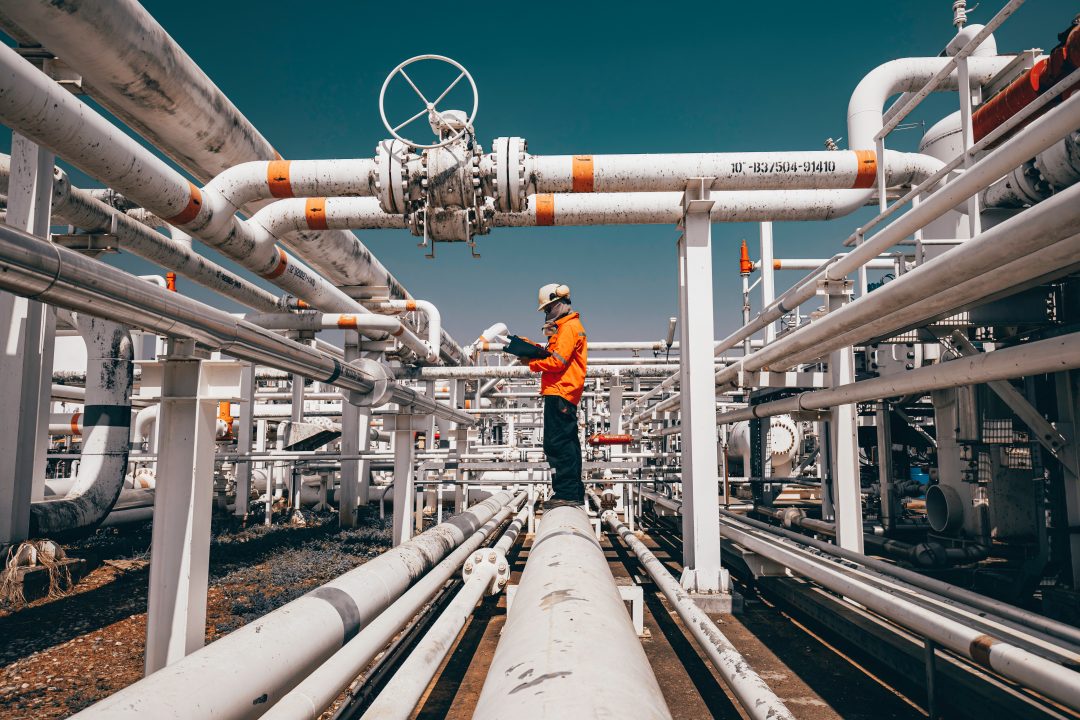
Pressure switches play a vital role in keeping industrial processes safe and stable, especially in hazardous areas where flammable gases, vapours or dust may be present. Choosing the right protection concept is essential to ensure compliance, reduce risk and maintain reliable operation.
This guide explains the differences between explosion proof (Ex d) and intrinsically safe (Ex ia) pressure switches, how each protection method works, and the key factors to consider when selecting a product for safety critical environments.
What Are Pressure Switches?
A pressure switch is an electromechanical device designed to monitor process pressure and activate an electrical contact when the pressure reaches a defined setpoint. They are widely used in industries such as:
• Oil and gas production
• Chemical and petrochemical processing
• Power generation
• Water and wastewater
• Marine and offshore environments
• Pharmaceutical manufacturing
• Manufacturing, such as food and drink
• HVAC
• Fire protection
Typical applications include pump and compressor control, alarms, filter monitoring, and protection of hydraulic, pneumatic or process systems.
In Zoned hazardous areas, pressure switches must be engineered to prevent ignition of the surrounding potentially explosive atmosphere, and that’s where certified protection comes in.
Explosion Proof vs. Intrinsically Safe Pressure Switches
Explosion Proof (Flameproof) Pressure Switches
Explosion proof, also known as flameproof (Ex d), is a protection method in which the pressure switch is built with a robust enclosure capable of withstanding an internal explosion. Even if flammable gases were to get inside the device and be ignited, the flame paths and heavy duty housing prevent the explosion from propagating to the external environment.
Key Characteristics:
• Thick-walled, heavy duty enclosure
• Flame paths designed to cool escaping gases
• Suitable for Zones 1 and21
• Ideal for high power switching
• No need for external barriers
Explosion proof pressure switches are commonly selected for offshore platforms, refineries, compressor skids and other installations where ruggedness and high electrical loads are critical.
Intrinsically Safe Pressure Switches
Intrinsically safe (Ex ia) pressure switches limit the energy available within the circuit so ignition is not possible, even under fault conditions. Rather than containing an explosion, intrinsic safety prevents one from occurring.
Ex ia pressure switches used with a Zener barrier or galvanic isolator, ensure the electrical energy in the control loop stays below ignition thresholds.
Key Characteristics:
• Energy limited circuits
• Light, compact construction
• Ideal for low power signalling
• Simplifies installation and maintenance
• Suitable for Zones 0, 1, 2, 20, 21 and 22
They’re preferred for instrumentation loops, remote telemetry, tank farms, chemical dosing systems, and environments where access must be non‑invasive for maintenance.
How to Choose the Right Pressure Switch for Hazardous Areas
Selecting the right protection method depends on both the process and the risk environment. Key factors include:
1. Hazardous Area Classification
• Intrinsically safe or Ex ia is often required for Zones 0 and 20.
• Explosion proof or Ex d is widely used in Zones 1 and 21 for higher electrical loads.
2. Electrical Requirements
Explosion proof switches are suitable for direct switching, while intrinsically safe models are designed for low energy instrumentation.
3. Mechanical Robustness
Where vibration, shock or mechanical damage are possible, a flameproof housing may be advantageous.
4. Process Conditions
Consider the process media and pressure range:
• Gas, liquid or hydraulic oil
• Steady or pulsating pressure
• Setpoint stability needed
• Compatibility of wetted parts
5. Maintenance & Access
Intrinsically safe devices simplify maintenance in the field because live‑working is permitted without gas‑freeing or hot‑work permits in many cases.
Application Examples of ATEX Pressure Switches
ATEX and IECEx certified pressure switches are used across a wide range of hazardous and harsh environments to protect equipment, personnel and help maintain safe and efficient operating conditions. See below examples where Pyropress explosion proof pressure switches have been deployed:
• Wellhead Control for Oil and Gas Operations
• HVAC Compressors and Chillers for Hydrogen
• Safety Showers and Eyewash Systems
Pressure Switch Protection Concepts at a Glance
| Feature | Explosion Proof/ Flameproof (Ex d) | Intrinsically Safe (Ex ia) |
| Method | Contains an internal explosion | Prevents ignition by energy limitation |
| Typical Zones | 1, 2, 21 and 22 | 0, 1, 2, 20, 21 and 22 |
| Electrical Load | Medium to high | Low-power instrument loops |
| Installation | Heavier and requires careful sealing | Lightweight, simpler installation |
| Maintenance | Usually requires gas-free conditions | Live working often permitted |
| Best For | Harsh, high‑power applications | Instrumentation, monitoring, remote sites |
Need Support?
If you’re not sure which pressure switch is right for your application, our technical team can help specify the correct model, certification and configuration.
 About the Author
Paul Maddern is an explosion protection instrumentation expert and has been part of the Pyropress team for 35 years. Pyropress is a Pioneer Safety Group brand designing and manufacturing high-quality instrumentation, specialising in explosion proof and intrinsically safe pressure switches. Pyropress’ expertise ensures safety and efficiency in oil and gas applications.